Nieuwsmedia
Artikelen en video


Ooggetuigen van de Gaswinning
Momenteel doe ik hoofd-camera voor het project Ooggetuigen van de Gaswinning. In dit project worden de verhalen vastgelegd van personen die op diverse wijze betrokken zijn (geweest) bij de gaswinning en aardbevingsproblematiek in de Provincie Groningen. De interviews worden gepubliceerd op de Groningen Archieven
Voor deze historische documentatie wordt gebruik gemaakt van de Oral History-methode.
Inmiddels zijn er ruim 45 interviews (ruw/onbewerkt) te zien op filmbankgroningen.nl. Extra beelden worden gefilmd, maar zijn nog niet openbaar. Voor meer informatie over het project kunt u terecht op: https://ooggetuigengaswinning.nl
PVerl
Verslaggeving RTV Midden-Groningen
Sinds april 2023 werk ik voor de streekomroep in gemeente Midden-Groningen als (politiek) verslaggever.
- https://www.middengroningennieuws.nl/drukbezochte-avond-over-opvang-oekrainers/
- https://www.middengroningennieuws.nl/initiatiefvoorstel-tegen-woningbouw-gorechtpark/
- https://www.middengroningennieuws.nl/toekomstvisie-harkstede-2050-het-spant-erom/
- https://www.middengroningennieuws.nl/cu-stelt-vragen-over-ambitie-ai-factory-groningen/
- https://www.middengroningennieuws.nl/7km-martenshoek-zo-kan-het-niet-meer-bestaan/
- https://www.middengroningennieuws.nl/duurzaam-menterwolde-wil-provinciebesluit/
- https://www.middengroningennieuws.nl/minder-draagvlak-dan-gedacht-visie-harkstede/
- https://www.middengroningennieuws.nl/motie-van-wantrouwen-raad-in-schok-2/
- https://www.middengroningennieuws.nl/raad-gepasseerd-subsidiestop-kwartierzw/
- https://www.middengroningennieuws.nl/zonnepark-smit-kwekerij-geen-uitkomst/
- https://www.middengroningennieuws.nl/in-gesprek-met-harry-en-harma-haan/
- https://www.middengroningennieuws.nl/regio-wil-harde-toezeggingen-nij-begun/
- https://www.middengroningennieuws.nl/kick-out-zwarte-piet-demonstratie-in-raad/
- https://www.middengroningennieuws.nl/opluchting-stichting-platform-woldwijck/
- https://www.middengroningennieuws.nl/woordvoerder-defensie-raadzaal-munitiedepot-mg/
- https://www.middengroningennieuws.nl/red-het-gorechtpark-geen-hoogbouw-in-natuur/
Johannes Bennenga brengt de Juffertoren tot leven
Een video-item over Johannes Bennenga uit Schildwolde. Zijn leven is vervlochten met de Juffertoren uit de 13e eeuw. Hij heeft recent een boek geschreven over het historisch erfgoed en geeft rondleidingen in de toren.
Vloothuis wil Meerschap Zuidlaardermeer
4 mei 2023 (RTV MiddenGroningen) – https://www.middengroningennieuws.nl/vloothuis-wil-meerschap-zuidlaardermeer/
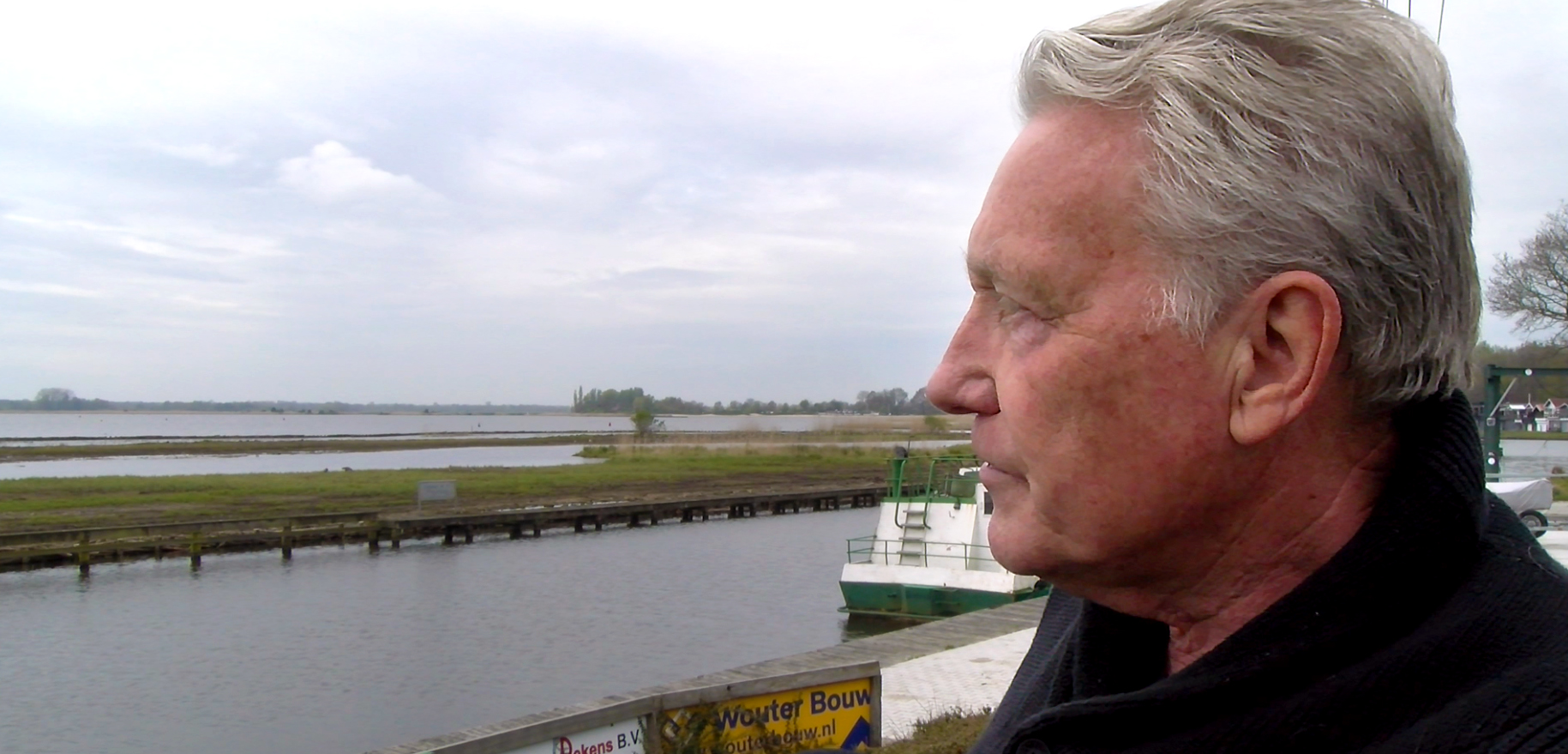
Gerard Vloothuis, voorzitter van de Stichting Zeilvereniging Zuidlaardermeer, is bezorgd over de nieuwe toegangsbeperkingen op het Zuidlaardermeergebied. De beperkingen betekenen een klap voor de recreatie en bedrijvigheid in en rondom het meer. Belangen botsen. Samenwerking is zoek.
Op 28 maart 2023 zijn de toegangsbeperkingen in het gebied aangescherpt. Volgens de Provincie bood het huidige beheerplan te weinig handvatten om de natuurbescherming en specifiek de bescherming van leefgebieden van enkele vogelpopulaties te garanderen. Sinds maart 2000 is het Zuidlaardermeergebied aangemerkt als speciale beschermingszone onder de vogelrichtlijn.
Volgens Vloothuis is de natuur in het meer in uitstekende staat. De natura-2000 doelstellingen zouden zijn behaald en de waterkwaliteit, die moet voldoen aan de Europese Kaderrichtlijn Water, zou van zeer goede kwaliteit zijn. “Het gaat eigenlijk fantastisch.”
Het enige probleem is een relatief hoog fosfaatgehalte, waarvan Vloothuis vermoedt dat dit (ironisch genoeg) het gevolg is van de uitwerpselen van de sterk toegenomen ganzenpopulatie in het gebied.
Vloothuis, die zelf heeft deelgenomen aan de onderhandelingen over de nieuwe beperkingen, was verrast omdat het uiteindelijke besluit meer beperkingen oplegde dan was besproken tijdens de onderhandelingen. Een belangrijke maatregel betreft de afstand van 300 meter die recreanten dienen te houden ten opzichte van beschermde broedende vogels. Dit is volgens Vloothuis niet alleen ondoenbaar, maar eveneens onnodig. “Waarom 300 meter? Waarom niet 200 of 100 meter? Niemand weet het.” De algehele tendens die naar voren kwam in het gesprek was dat de beslissingen ‘over hun hoofd’ worden genomen en de beperkingen onvoldoende gelegitimeerd kunnen worden.
Ook Marjolein Vulpes, fractievoorzitter van de VVD, uitte haar zorgen. “Wat betekenen deze nieuwe beperkingen voor de recreatie, voor de bedrijven en voor het nabijgelegen industrieterrein? Het is als een olievlekje dat zich steeds verder verspreidt.” Ook Marian van Dijken van de Boer Burger Partij was aanwezig en uitte haar verontwaardiging: “Het kan toch niet zo zijn dat bij de komst van een nieuw vogeltje het halve meer wordt afgesloten voor recreatie?”
Een Meerschap voor samenwerking
Vloothuis, die ook actief is voor het Watersport Verbond, heeft de wens om een Meerschap in de provincie Groningen op te richten, waarin alle belanghebbenden kunnen deelnemen om tot een gezamenlijk beleid te komen. Hij verwijst naar Friesland, waarin alle belangen worden gecoördineerd door het Wetterskip Fryslân. De gemeenten staan volgens Vloothuis welwillend tegenover de samenwerking, maar het beleid in de Groningse provincie is volgens hem te versnipperd. “Het centrale probleem is dat iedereen zijn eigen belang nastreeft.”
Vloothuis zegt het jammer te vinden dat partijen tegenover elkaar komen te staan. Hij betreurt het dat sommigen zich nu genoodzaakt voelen om bezwaar aan te tekenen. “Dat is het laatste wat je wil, dat partijen tegenover elkaar komen te staan.”
De liefde voor het Zuidlaardermeer en de natuur is onmiskenbaar aanwezig bij Vloothuis. Met een glimp van trots gebaart hij over het gebied en weidt uit over de vogelpopulaties, bevers en herten die gespot worden op het rieteiland vlak voor de oever.
“Ik hoop dat natuurorganisaties zich beseffen dat wij niet hun tegenstanders zijn. Ook wij willen dat de natuur op het meer een goede kans krijgt. Maar wel met open vizier.”
Academic paper
The rapid expansion of the extractive industry and the challenges for global mining governance
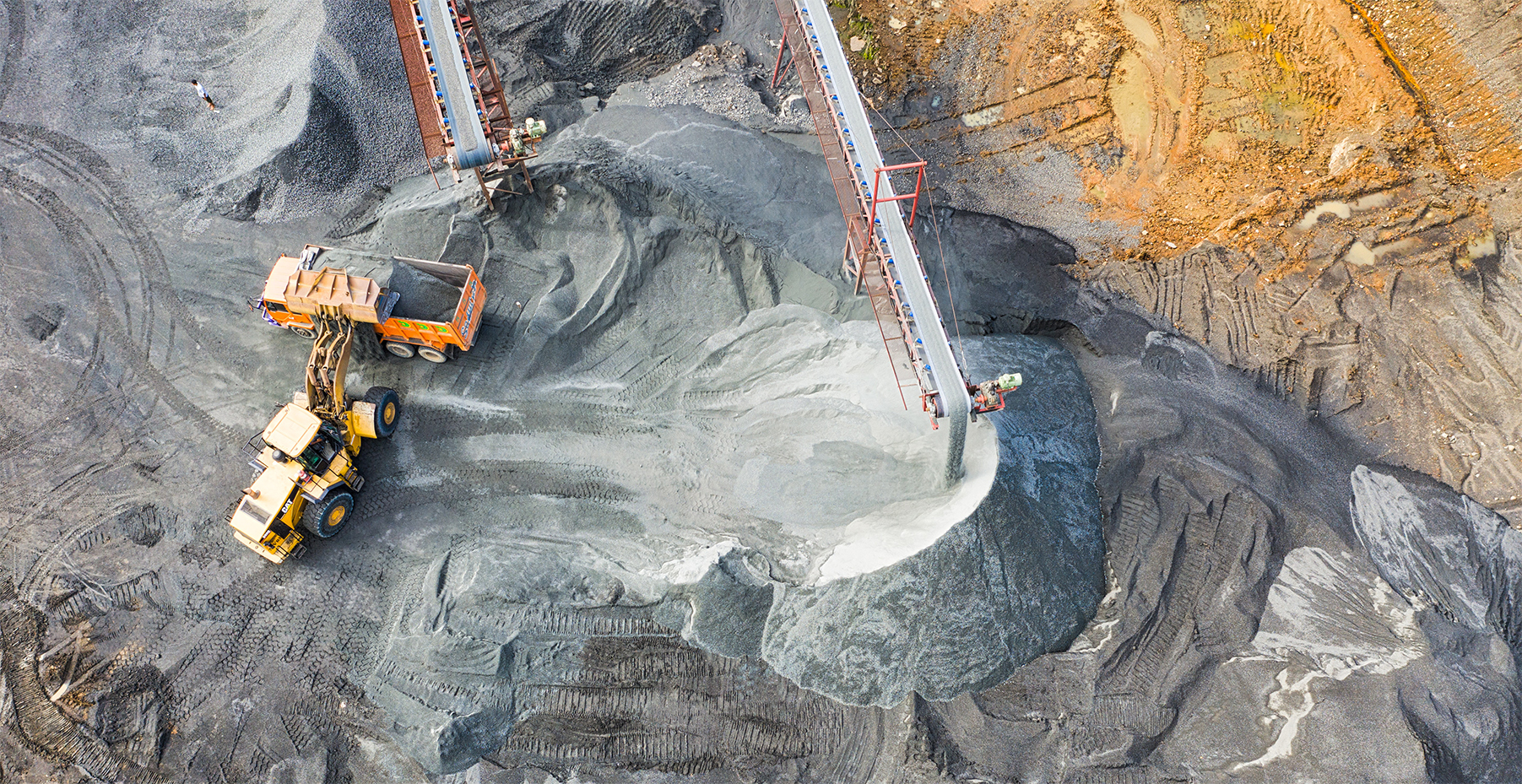
April 25th 2020 (Essay assignment for Global Energy Politics – Msc International Politics at Ghent University) (foto: Tom Fisk)
The demand for mineral and metallic resources will surge in the next few decades to sustain technological development and global urbanization. This rapid expansion of the extractive industry poses increasing challenges to global governance to implement and uphold good governance practices, minimize environmental damage and secure stable global supply chains. As international relations are becoming increasingly competitive and current governance of the extractive industry is still highly fragmented, efforts to reach the necessary levels of international regulation to deal with these challenges run the risk of being undermined.
Rapid demand growth
The growth in demand for mineral and metallic resources is dependent on multiple factors, most notably population growth and the rise of living standards, both of which are set to further increase in the next few decades. The expansion of infrastructure and the use of modern electronic technology are among the main drivers for mineral- and metal-usage and are both boosted as emerging economies industrialize and a process of urbanization spans the globe. One other crucial development, driving up the demand for these resources, links into this. The global efforts to minimize the emissions of greenhouse gasses (GHG’s) within a relatively short timeframe to prevent global warming from reaching unsustainable levels, has spurred the development and production of green energy technologies which have become increasingly market competitive and are expected to become an integral part of global energy supply. Technologies such as solar panels, wind turbines, electrical vehicle’s and battery-storage technologies, all heavily rely on mineral and metallic resources, as well as the substantial infrastructural changes that are needed to support the electrification of large parts of our societies. Although exact predictions are impossible to make, due to the many uncertainties relating to market developments, competing technologies, technological innovation and policy implementation, demand for mineral and metallic resources is bound to surge.
These prospects have triggered alarm bells about the availability of these natural resources. However, current knowledge about reserves indicates that most of these resources are moderately abundant and generally dispersed around the globe, although some exceptions of highly concentrated and more scarce minerals and metals exist. Also, current mappings of global reserves are incomplete, partly due to a lack of reliable data, most notably in Africa, which is expected to be home to a vast amount of undiscovered resources. Finally, technological innovation on substitutes and recycling will probably alleviate some of the pressure caused by the demand growth. Thus, even as demand for mineral and metallic resources will be surging in the next few decades, a structural shortfall in global supplies seems unlikely.
Social and environmental challenges
There are, however, serious challenges arising from this rapid demand growth. These challenges are not new but are amplified by current developments. They firstly relate to the social and environmental impacts on mineral-rich countries that will be subject to increased mining activities. For resource-rich countries to benefit, mining industries will need to be successfully integrated in the local economy to serve as a catalyst for broader economic and social development. Too often these economic and institutional linkages have failed to materialize, separating mining industries from local economies, that will therefore not be able to benefit from the huge potential mining industries entail for job creation, skill development, infrastructural modernization and local services in the economy, a phenomenon that is part of the well-known ‘resource curse’. Along with these linkages high standards of labour conditions should be guaranteed through international regulation. Making large scale mining beneficial to local societies will also be the most promising way to reduce the attractiveness of artisanal mining (ASM), which is notorious for poor working conditions and human right violations. Although governance initiatives to win local social acceptance of mining activities, such as the Social License to Operate (SLO) or implement good governance practices, such as the Extractive Industries Transparency Initiative (EITI), have materialized in recent decades, they still fall short and will need to be improved to deal with the expansion of the industry.
The mining industry also entails severe environmental impacts due to large scale land-use change, high levels of water- and soil-pollution and the high intensity of water and energy consumption. Since economic profitability will prefer loose regulations that allow for cheaper extraction, efforts to implement good governance practices are crucial to minimize environmental damage. The current emergence of deep seabed mining serves as an illustrative example of how governance is being pushed into new territory, as exploration and mining activities expand, with severe environmental consequences at stake.
Necessary improvement of governance
Although the extractive industry is subject to heavy regulation, current governance is still highly fragmented. The governance regime exists of a web of broad international policy frameworks, national legislation, company level agreements, voluntary initiatives, all of which are poorly coordinated. According the International Resource Panel systemic analyses of these governance initiatives are also missing, resulting in a lack of understanding of the performance of these policy instruments. Based on a small number of studies the main shortcomings seem to relate to a lack of compliance, a lack of regulatory capacity, inability to include all relevant parties and a general lack of broader institutionalization of policy initiatives. Strong efforts should be made to monitor, integrate and streamline these different governance-regimes and select those methods that have proofed to be successful. In this process a global level playing field should be reached, because failing to do so will give way to increasingly competitive behaviour and undermine efforts to develop necessary regulations.
International Competition
Although private trans-national corporations (TNCs) are among the main actors in the mining sector, nation-states and their governments also play a key role in the implementation of international standards, especially in the case of the more state-led economies. However, the current global political order is undergoing a massive shift. With the rise of the emerging economies, most notably China, the post-war international liberal order is being transformed as global economic powers are becoming increasingly competitive and protectionist. Underperformance of the World Trade Organisation (WTO) and the earlier failure of the Doha-round point to the limitations on multilateral trade-liberalisation. Simultaneously the US-China trade war and more broadly a systemic mismatch between market-economies and state-led economies are fragmenting international trading-relationships and spurring technological competition as a new industrial revolution is emerging.
These global political tensions have the potential to undermine international efforts to regulate global mining activities and secure a global level playing field, because they feed into competitive behaviour. As the demand for mineral and metallic resources rises, their strategic value increases. And even though these resources are moderately abundant, due to the long time it takes to develop commercially exploitable mining sites (10-15 years), and the current geographical concentration of extraction and production facilities (in which China serves as a central global provider), short-term shortages might appear, leading to serious trade tensions due to the high interdependency between global economies.
Data from the Organization for Economic Cooperation and Development (OECD) shows that export restrictions on mineral and metallic resources have been subject to significant increase. Unlike import restrictions that are heavily regulated by the WTO-regime, almost no regulations exist for export-restrictions. Export-tariffs therefore tend to be much higher than import-tariffs, and once they have been implemented, they are rarely being lifted. Among the main reasons for the implementation of export-restrictions are the generation of revenue-streams, retaliation caused by trade tensions and the objective of developing countries to move up the global value chain, by developing domestic industries that deliver higher value-added products, rather than exporting raw materials, which poses a structural challenge to global supply chains. Although full scale embargoes seem unlikely, as the short-lived rare-earth crisis in 2010, initiated by China over a territorial dispute with Japan, has shown, export-restrictions on mineral and metallic resources are pervasive, disrupting international flows and spurring new exploration activities.
To reach international high standards all relevant actors will have to be involved. Large development banks could play a crucial role in norm-setting, as well as large TNC’s. Nation-states should agree on international regulations that set a level playing field to prevent regulatory competition and work toward a cooperative international environment that allows for technological cooperation and efficient use of resources. With regard to the global energy-transition, the strong dependence on mineral and metallic resources means that the social and environmental challenges that come with the expansion of the extractive industry and the proper policies to mitigate them should be an integral part of the policy frameworks supporting the energy transition, whereby a right balance in policy focus should be reached. Governance regimes to sufficiently deal with these challenges are still lacking and current global political tensions constitute an undermining factor in the development of these regimes. Although the reduction of GHG’s should be among the top priorities, concerns relating to the expansion of the mining industry should not be overlooked and strong efforts should be made to develop international and integrated governance regimes.
References
Analytics, F. P. (2020, 4 maart). Mining the Future. Geraadpleegd op 18 april 2020, van https://foreignpolicy.com/2019/05/01/mining-the-future-china-critical-minerals-metals/
Bellmann, C., Hepburn, J., & Wilke, M. (2012). The Challenges Facing the Multilateral Trading System in Addressing Global Public Policy Objectives. Revue internationale de politique de développement, 3(3). https://doi.org/10.4000/poldev.1012
De Ridder, M. (2013). The Geopolitics Of Mineral Resources For Renewable Energy Technologies. Geraadpleegd van https://hcss.nl/report/the_geopolitics_of_mineral_resources_for_renewable_energy_technologies_1
Federal Register: The Daily Journal Of The United States Government. (2017, 26 december). A Federal Strategy To Ensure Secure and Reliable Supplies of Critical Minerals. Geraadpleegd op 18 april 2020, van https://www.federalregister.gov/documents/2017/12/26/2017-27899/a-federal-strategy-to-ensure-secure-and-reliable-supplies-of-critical-minerals
Fung, K. and J. Korinek (2013-05-14), “Economics of Export Restrictions as Applied to Industrial Raw Materials”, OECD Trade Policy Papers, No. 155, OECD Publishing, Paris. http://dx.doi.org/10.1787/5k46j0r5xvhd-en
Huang, C. (2019, 5 juni). China’s ban on rare earths didn’t work on Japan and won’t work in the trade war with the US. Geraadpleegd op 4 april 2020, van https://www.scmp.com/comment/opinion/article/3012994/chinas-ban-rare-earths-didnt-work-japan-and-wont-work-trade-war-us
International Resource Panel. (2020). Mineral Resource Governance In The 21st Century: Gearing Extractive Industries Towards Sustainable Development. Geraadpleegd van https://www.resourcepanel.org/reports/mineral-resource-governance-21st-century
International Institute for Sustainable Development. (2018). Green Conflict Minerals: The Fuels Of Conflict In The Transition To A Low-Carbon Economy. Geraadpleegd van https://www.iisd.org/library/green-conflict-minerals-fuels-conflict-transition-low-carbon-economy
Kalantzakos, S. (2019). The Geopolitics of Critical Minerals. Istituto Affari Internazionale. 19(27).
Kesler, S. E. (2007). Mineral Supply And Demand Into The 21st Century. Geraadpleegd van https://pubs.usgs.gov/circ/2007/1294/reports/paper9.pdf
LePan, N. (2019, 12 maart). Measuring the Level of Competition for Valuable Minerals. Geraadpleegd op 17 april 2020, van https://www.visualcapitalist.com/measuring-competition-valuable-minerals/
Levy, P. (2018, 30 oktober). What’s Wrong With The World Trade Organization? Geraadpleegd op 22 april 2020, van https://www.forbes.com/sites/phillevy/2018/10/30/whats-wrong-with-the-world-trade-organization/#3a877e383a49
Lewis, B. (2019, 5 juli). U.N. deep sea mining body rejects Greenpeace criticism. Geraadpleegd op 22 april 2020, van https://www.reuters.com/article/us-mining-deepsea/u-n-deep-sea-mining-body-rejects-greenpeace-criticism-idUSKCN1U016E
Nathanial Gronewold, E&E News. (2019, 16 juli). Seabed-Mining Foes Press U.N. to Weigh Climate Impacts. Geraadpleegd op 22 april 2020, van https://www.scientificamerican.com/article/seabed-mining-foes-press-u-n-to-weigh-climate-impacts/
OECD. (2018). Global Material Resources Outlook To 2060: Economic Drivers And Environmental Consequences. Geraadpleegd van https://www.oecd.org/newsroom/raw-materials-use-to-double-by-2060-with-severe-environmental-consequences.htm
The World Bank. (2017). The Growing Role Of Minerals And Metals For A Low Carbon Future. Geraadpleegd van https://openknowledge.worldbank.org/handle/10986/28312
U.S. Geological Survey, 2020, Mineral commodity summaries 2020: U.S. Geological Survey, 200 p., https://doi.org/10.3133/ mcs2020.
Wagner, L. (2019, 8 augustus). ISA Talks Consider Development of Regulations on Deep-seabed Mining | News | SDG Knowledge Hub | IISD. Geraadpleegd op 14 april 2020, van http://sdg.iisd.org/news/isa-talks-consider-development-of-regulations-on-deep-seabed-mining/